
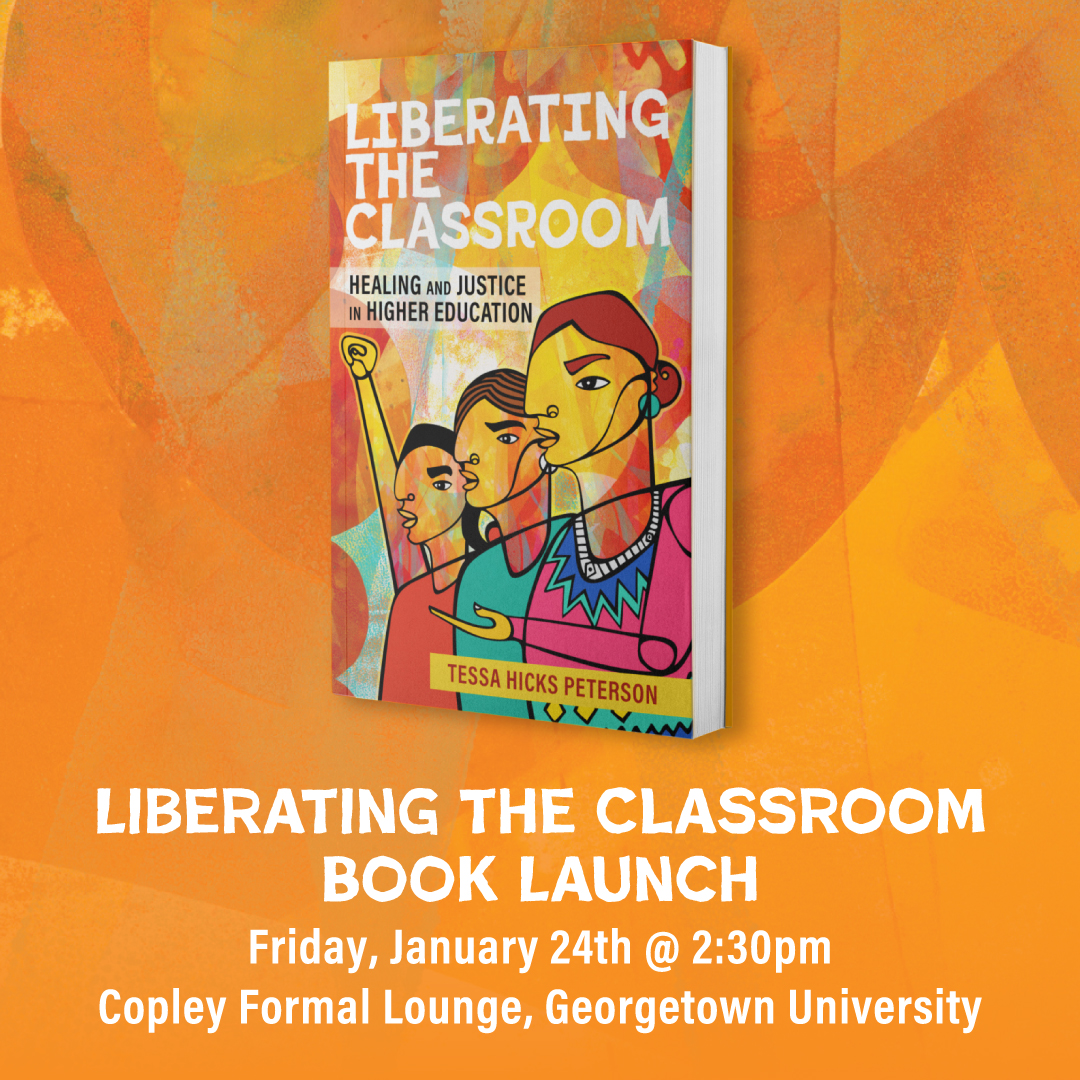
2022- present “Liberating the Classroom: Healing and justice in higher education.” This project examines how institutions of higher education can center healing and justice in pedagogy, policy, school culture, and daily operations to advance radical change at a systems level. It explores how to transform ourselves and our work through theories of change and pedagogies that are trauma-informed, equity-centered, and inherently grounded in collaborative, decolonial and healing systems-change. It explores how, without this aim, we have and can (re)produce traumas of injustice – personal and systemic wounds in our school communities born of unjust policies, pedagogies, social norms, and a lack of access to resources that result in high levels of stress, push out, burnout, lower rates of retention, higher rates of mental health crises, and disparity in achievement across race and class for students, teachers, and administrators alike. It utilizes ethnographic, narrative and participatory action research methodologies, drawing on decades of participatory observation field notes, interviews and reviews of interdisciplinary literature in the field. The findings of this research are explored in the January 2025 release of Liberating the Classroom: Healing and justice in higher education, through Johns Hopkins University Press.


2020- present “Know Justice, Know Peace: Transformative Movement Organizing and Healing Justice” The issue of centering wellness in social justice work was raised as a response to observing many students, staff and community organizers within six community-based organizations experiencing burnout symptoms such as stress, exhaustion, physical and mental health problems, and interpersonal tensions inside organizations. 25 survey responses, 6 focus group conversations and 6 follow-up interviews with the staff and executive directors of the organizations revealed that the staff of these organizations sought more support and guidance about how to actualize healing, wellbeing, and live their justice values in their daily operations, policies, programs and organizational culture. This project explores and critically reflects on this issue, created organizational development trainings to address it, and evaluated the impact of integration of changes to individual and organizational practices to address these topics. It aims to generalize the findings of this action research to provide scalable models to support other justice organizations and movements to be more trauma and healing-informed. The findings of this research are published in the anthology, Practicing Liberation: Transformative Strategies for Collective Healing and Systems Change and the accompanying Practicing Liberation Workbook: Radical tools for grassroots activists, community leaders, teachers, and caretakers working towards justice, both published by North Atlantic Books in July 2024.
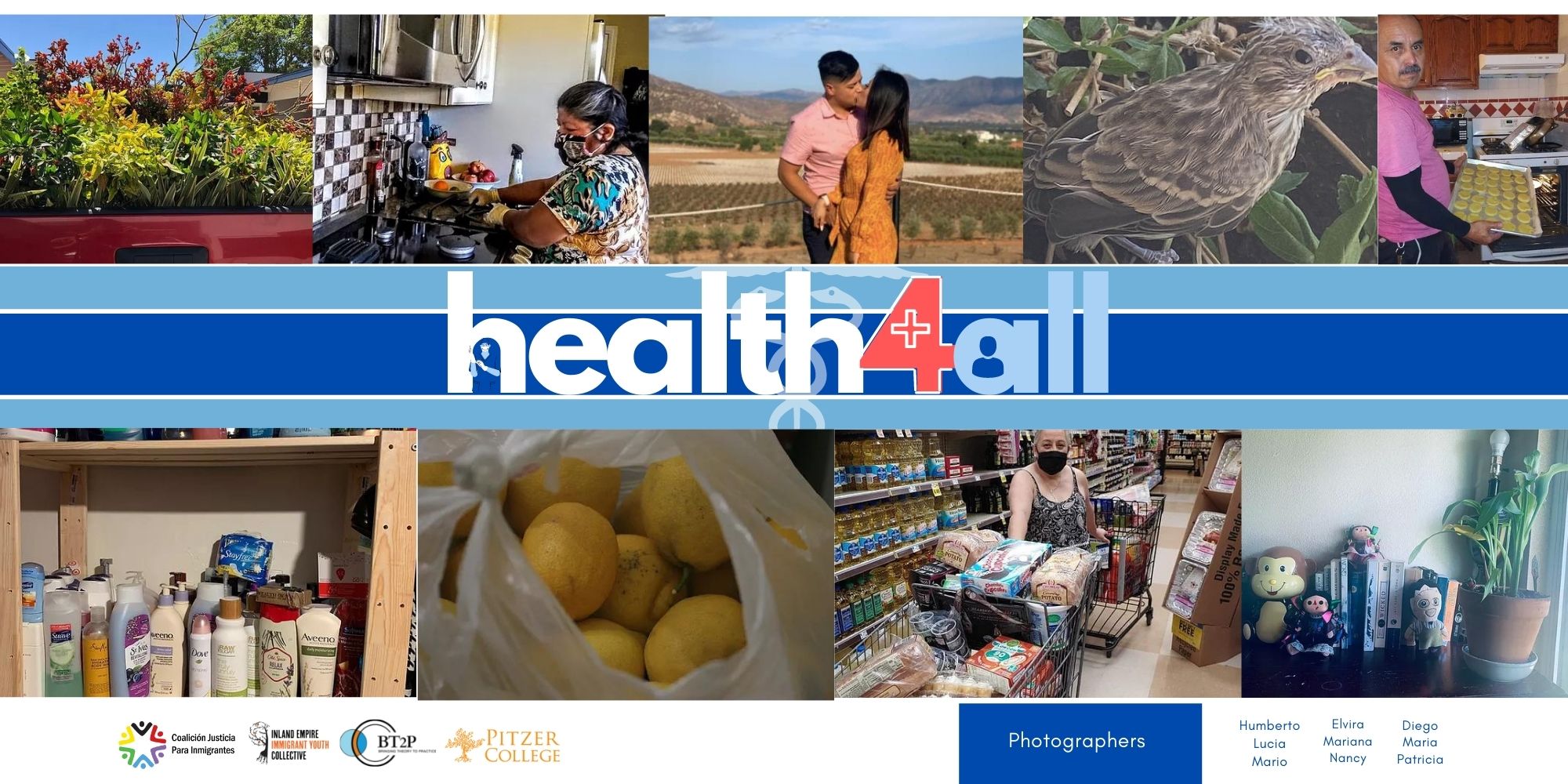
2019-2022 “The PLACE (Partnerships for Listening and Action by Communities and Educators) Collaboratory:” brought together educators, students, and community partners from four cities and eleven academic institutions, to create projects centering the role of humanities, cultural, and listening practices in public work on projects defined by community voice and students as civic actors and co-creators. PLACE was also a network-wide community of practice with regular in-person and digital convenings that disseminated models of authentic partnership, engaged learning, and public humanities work. Along with long-time community partners ICIJ (Inland Coalition for Immigrant Justice) and IEIYC (Inland Empire Immigrant Youth Collective) we created a collaborative project aimed to inform, educate, inspire, engage and connect different constituents in the Southern California Inland Region around issues of immigrant justice. The goals were to inform and connect community members to organizing and policy work to address major immigrant justice issues such as detention, health and labor and to inspire student and public engagement through art to explore the lived experience of immigrants in this region. Many kinds of output/artifacts resulted, including: photo galleries online in our participating organizations’ websites; the creation of a PLACE website to highlight all photos and the artists; printing a design of the photos on large banners used for in-person events, advocacy efforts, and gallery viewing; translating a selection of the photos into a coffee table book used for educational, promotional and personal uses, called Immigrants of the IE: A Community Art and Action Collaboration (can also be viewed digitally here) and co-authoring a description of this book in the forthcoming digital book: The PLACE Collaboratory.
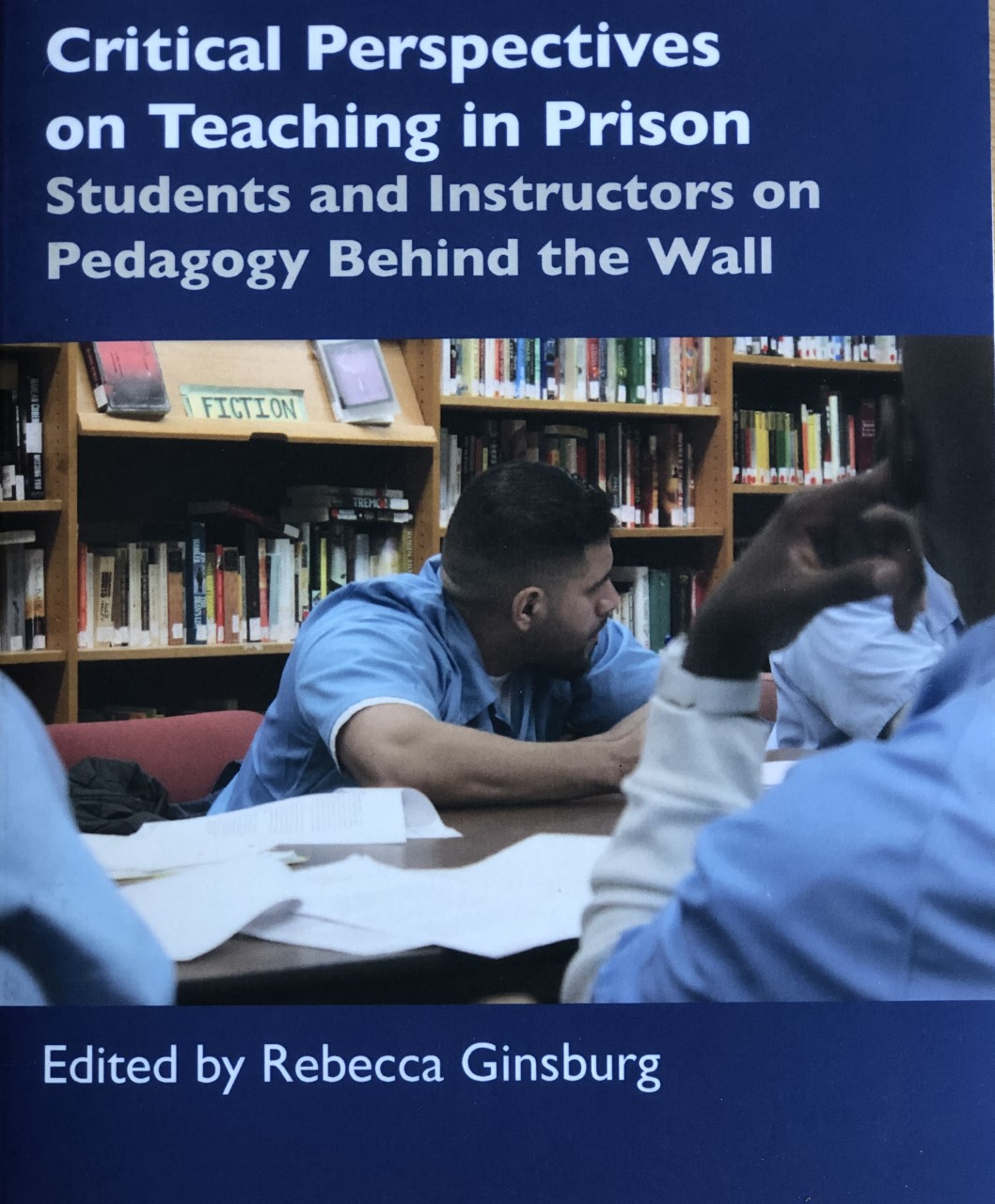
2014-present “Prison Education and Abolition:” There have also been various evaluation research projects that I have taken part in over the nine years of the Inside-Out Prison Exchange, assessing the impact of these inside-out courses on students (inside and outside) and faculty, which involved surveys, interviews, focus groups and direct assessment of student’s writing. Outcomes of this have included an article and a co-authored book chapter with my incarcerated students on the transformative nature of this educational exchange as well as the paradox and limitations posed by teaching liberatory pedagogy as an abolitionist working inside one of the state’s most dehumanizing and violent systems.
2021-present: “The Paradigm Shifts in Higher Education Project” is a multiyear initiative that aims to develop new models of holistic, inclusive, engaged learning and to activate systemic change—not simply piecemeal innovation—across higher education. The project will braid together three efforts to produce various outcomes: 1) Building a powerful movement that mobilizes faculty, staff, students, alums, and others to advocate for such change and engages decision-makers who have the power to realize or thwart it. 2) Shifting the public narrative toward a vision of the personal, social, and civic purposes of higher education, one that includes but embraces more than completion rates and economic returns, the dominant themes of the current national conversation. 3) Advancing integrative and inclusive design that turns the siloes and partial innovations of the typical undergraduate experience into models of a new whole, greater than the sum of its parts, that is equitably offered to all students. The director of this Project initiative, invited me to write the first book in the emerging “Paradigm Shifts in Higher Education” book series, through Johns Hopkins University Press.
2016-17 “Student Wellbeing and Civic Engagement” Five liberal arts colleges collaboratively explored the impacts of participating in a civic engagement course on the wellbeing of students by conducting pre-and post-course surveys within both civic engagement and non-civic engagement courses across the five colleges.
2008-2017 “Student Development and Social Justice: Critical learning, radical healing and community engagement” This project pulls on three interconnected areas of scholarship: an action research evaluation conducted at Pitzer College to examine the benefits and limitations of community engagement for students, faculty, staff, community organizations and community members, an assessment of a specific academic program that wove together radical healing and community engagement with indigenous partners in a local-global paired course program and participant observations and findings as a practitioner in the field of social justice, anti-bias education teacher training programs.
2003-2016 “Decolonizing Educational Practices Across the Americas” Ethnographic and participatory action research on the praxis of cultural affirmation, decolonization and interculturalism within indigenous communities in the Andes and Amazon of Peru and in Claremont, U.S.
2009-16 “Community Engaged Teaching, Research and Service in Promotion and Tenure Reviews.” Participatory action and archival research on best practices and policy language for community engagement teaching, research and service in promotion and tenure reviews. Collaborative white paper proposed to Pitzer College’s Appointments, Promotion and Tenure committee eventually resulted in a unanimous vote by faculty to change its Appointments, Promotion and Tenure policy to include such language.
2012-15 “Social Responsibility Praxis (SRP) and Social Justice Theory (SJT) Course Criteria and Student Learning Outcomes.” Participatory action and archival research on best practices in curriculum, student learning outcomes and policy language for integration of social justice-oriented and community engagement-oriented required courses. Collaborative white paper proposed to Pitzer College’s Faculty Executive committee eventually resulted in a unanimous vote by faculty to change its graduation requirements policy to include SRT and SJT required courses.
2009-10 “Healing Ourselves, Healing Our Communities.” Cross-cultural analysis of the impact of indigenous knowledge systems as a lens for individual well-being and community development and social change, in Claremont, US and Temixco, Mexico”
2009-10 “Partnering With Youth Organizers to Prevent Violence.” Community-based research and community organizing collaboration between Pitzer students, faculty and ICUC youth organizers to explore problems of, solutions for and enact recommendations around youth racial violence in San Bernardino.
2008-9 “Engaged Scholarship and Education: A Case Study on the Pedagogy of Social Change.” Case study research with students, faculty, staff, community organizations and community members on the benefits, challenges, and impacts of community-campus social change partnerships. Doctoral Dissertation
2007 “Family Economic Success Project.” Participatory action research on the topic of poverty and family economic success in LA. County, for the 2008 budget and policy strategic planning of the L.A. County Board of Supervisors and Los Angeles County’s Children’s Planning Council. With Lourdes Arguelles and Tom Dolan.
2005-6 “Community Border Research Project.” Narrative research with anti- and pro-immigration activists at the U.S. Mexico border. With Lourdes Arguelles and Amanda Perez.
2004 “Integration or Fragmentation? Locating Spirituality in the Social Justice Profession.” Auto-ethnographic research on the relationship of spirituality to the role of professional social justice activists working in non-profit organizations of Los Angeles.
2003-5 “The Interconnected Community: Lessons from the Andes on Ecological Regeneration and Interculturalism.” Community-based research on the cosmology and traditions of Quechua, Lamista and Ayamara indigenous communities of the Peruvian Andes and Amazon in practices of regeneration, biodiversity, cultural affirmation, and interculturalism. Masters thesis
 Tessa Hicks Peterson